What the Pamukkale Travertines are
Pamukkale — "cotton castle" in Turkish — is a series of brilliant white calcium-carbonate terraces in Denizli Province, south-western Turkey. Warm mineral water rises from springs, cascades over the cliffside, and over thousands of years has built the travertine formations that give Pamukkale its UNESCO World Heritage status. The site is shared with the ancient Roman city of Hierapolis.
Opening hours and tickets
The travertine area is open daily. In the summer season (April–October) visiting hours are typically 06:30 to 24:00; in winter the hours shorten. A single entry ticket covers both the travertines and Hierapolis. Bring a small bag — you will be asked to walk the terraces barefoot, so you need somewhere to carry your shoes.
Best time of day to visit
Two moments stand out. Early morning (the first two hours after opening) gives you cool water, thin crowds and soft light for photographs. Sunset — roughly the last 90 minutes before the gates close — turns the white terraces orange and gold. Midday in July and August is hot and crowded; avoid it if you can.
What to wear
- Swimwear under light clothing — some pools are deep enough to sit in.
- A small towel.
- Slippers or flip-flops for carrying; you must walk barefoot on the terraces themselves.
- Sun hat and high-SPF sunscreen from May through September.
Combining with Hierapolis
Hierapolis Ancient City sits directly above the travertines. Allow 2–3 hours for the main sights: the ancient theatre, the necropolis, the Plutonium gate, and the museum. The famous Cleopatra's Antique Pool (separate entry fee) lets you swim among submerged Roman columns.
Staying nearby
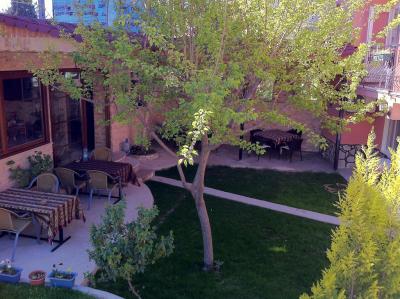
From Sinter Terasse Hotel the lower entrance to the travertines is about a 5-minute walk. Staying in Pamukkale village itself — rather than in Denizli city — means you can go in for sunset, have dinner in the village, and be back at the terraces for sunrise the next morning.